
Clarify. Create. Dominate.


The first maxim in advertising is, “An ad is only as good as its brief,” and every great brief starts with two razor‑sharp parameters: a single‑minded proposition (SMP) and/or a unique selling proposition (USP). These guide creative executions to greatness, cutting through clutter, creating memory, and turning offer into action.
The SMP is the one core thought you want the audience to take away. It’s the emotional or functional promise distilled into a single sentence or tagline. Many advertisers make the mistake of trying to pack too much into one ad. An account director once demonstrated to a client, who was insisting on having five points in his ad, why it wouldn’t work. He brought five ping-pong balls to the meeting, held up a ball and read out the client’s first proposition and placed it on the boardroom table, then held up a second ball and read the second point, and another, another and another. Then he scooped them all up, said, “Try and catch one” and tossed them across the table. The five balls bounced toward the client who laughed, grappled thin air, and missed them all. Then the account director pulled a single ping-pong ball out of his pocket, read out the single-minded proposition we’d written for his ad and bounced that, which the client snatched with ease.
The human brain can only focus on one thing at a time. If you have five points you want to make, you need to communicate them to your audience in a campaign of five ads. If there’s an “and” in your proposition, you have one proposition too many. Pick one and you’ll be half way to making a great ad.
The USP is the specific feature or benefit that your product or brand offers that competitors can’t offer. While your SMP prevents message drift and makes your offer instantly understood, your USP offers differentiation, which drives choice. Your USP gives people a reason to pick your product or service over the swamp of similar options. Ideally you want to say your product is the “only”, or it’s an “est” — fastest delivery, quietest washer, thinest laptop. If you can do that you automatically establish a proprietary territory, creating space between you and all your competitors. From there your ad practically writes itself. But what if you’re in a parity market like toilet tissue and light bulbs — or beer where the difference is entirely subjective? You need to *create* a unique selling proposition.
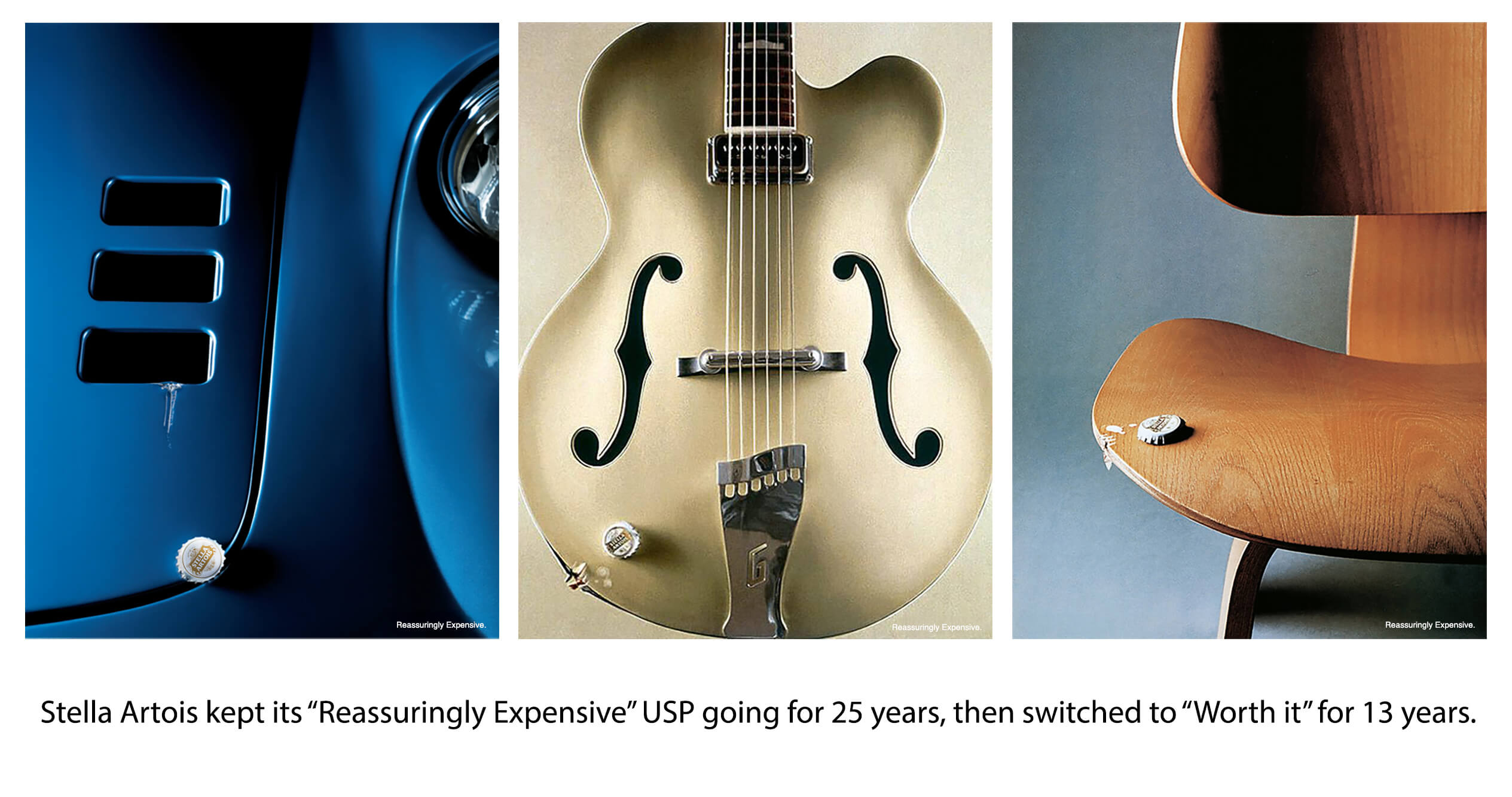
The agency for Stella Artois created a USP to help them solve a problem. Their beer cost more than the locally brewed British lagers due to the hefty import tax on its high alcohol content. So they embraced their price point with the humorously pompous line “Reassuringly Expensive” and established themselves as the premium beer for discernible drinkers. Their customers actually took pleasure and pride in paying the extra £1.25 ($2.30) for a pint of the good stuff. The ad campaigns that flowed from this genius SMP were legendary, and had longevity; it ran for 25 years. In 2007 they refreshed their campaign, shortening their line by six syllables to simply, “Worth it.”
Guinness also had a problem. A proper pint of Guinness takes exactly 119.5 seconds to pour due to its nitrogen infusion, which often frustrated thirsty customers. So they too converted a problem into a virtue with “Good things come to those who wait” framing a 2-minute delay into a ritual of anticipation, and a mark of perfection.
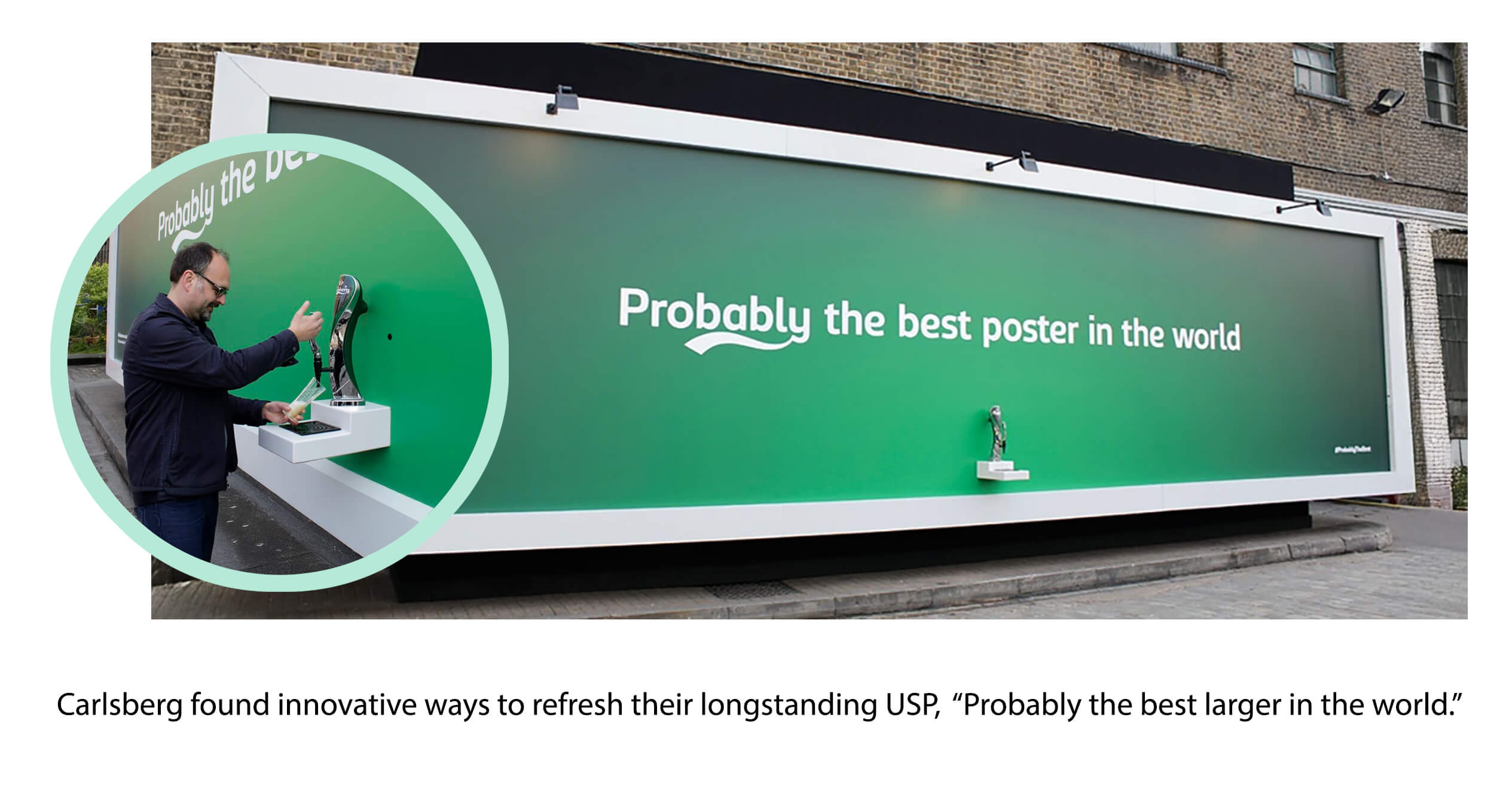
Carlsberg found a clever loophole in advertising regulations to claim their beer was “Probably the best larger in the world.” The caveat did two things: it gave them permission to infer superiority while doing it with their tongue firmly in their cheek — humour being the most potent ingredient in any beer campaign.
SMPs and USPs also work hard for brands. Every ad you make needs to be single-minded, and this is true for your brand. The Stella Artois bottle cap campaign had the SMP “our beer is worth more than these luxury objects,” which was an iteration of their brand SMP. If you really want to supercharge your brand, identify your core proposition. When all your ads and ad campaigns start working together with a single-minded message, you force multiply your comms with compound interest.
The best brand SMPs speak to a human need or feeling, rather than just a technical attribute. They’re brand philosophies. Here are a few brilliant examples:
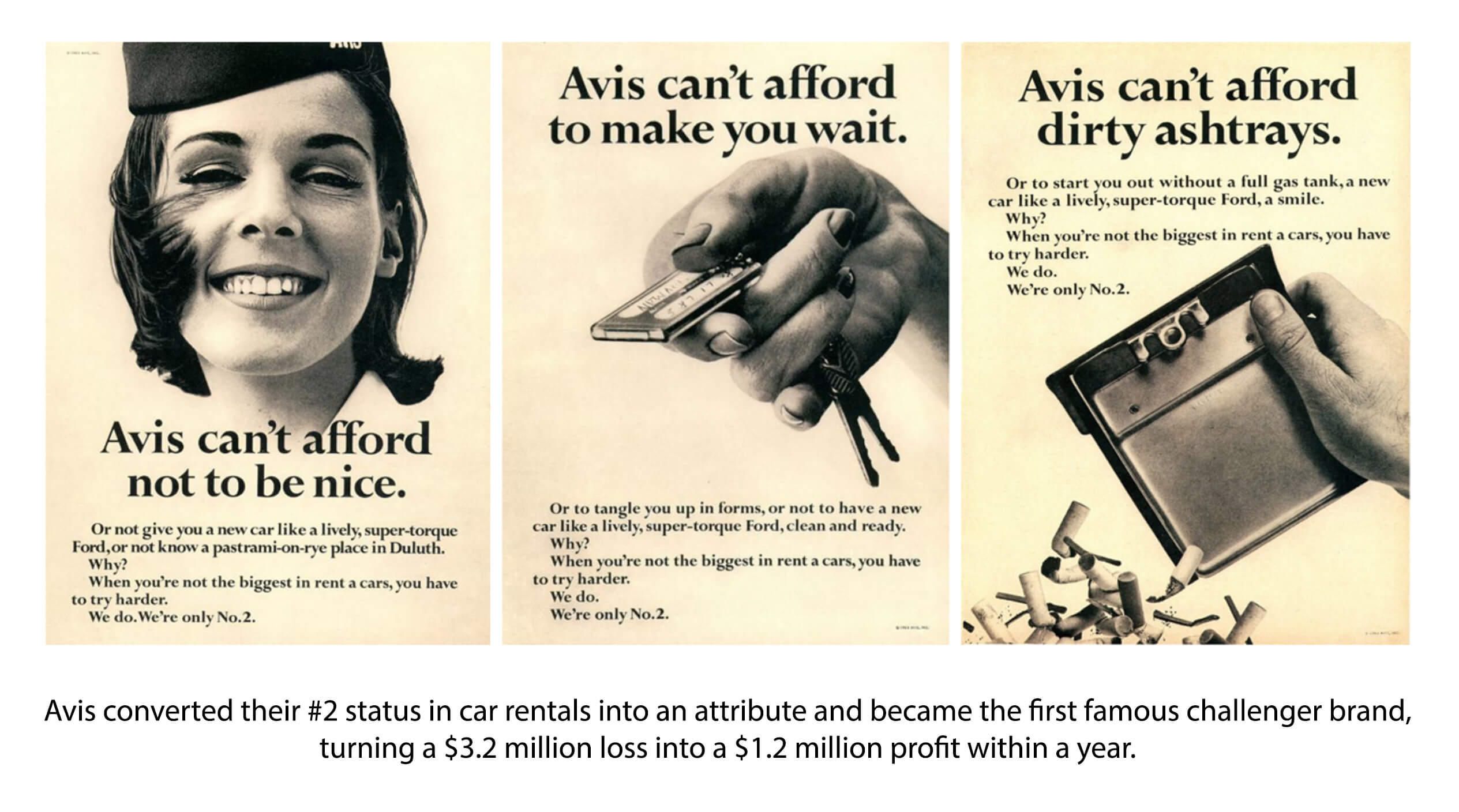
Avis: "We're number two, so we try harder.” In the parity market of rental cars, their proposition is one of the hardest working SMPs in the biz. It starts by endearing you with courage and honesty, then uses their ‘flaw’ to promise you a commitment to excellence.
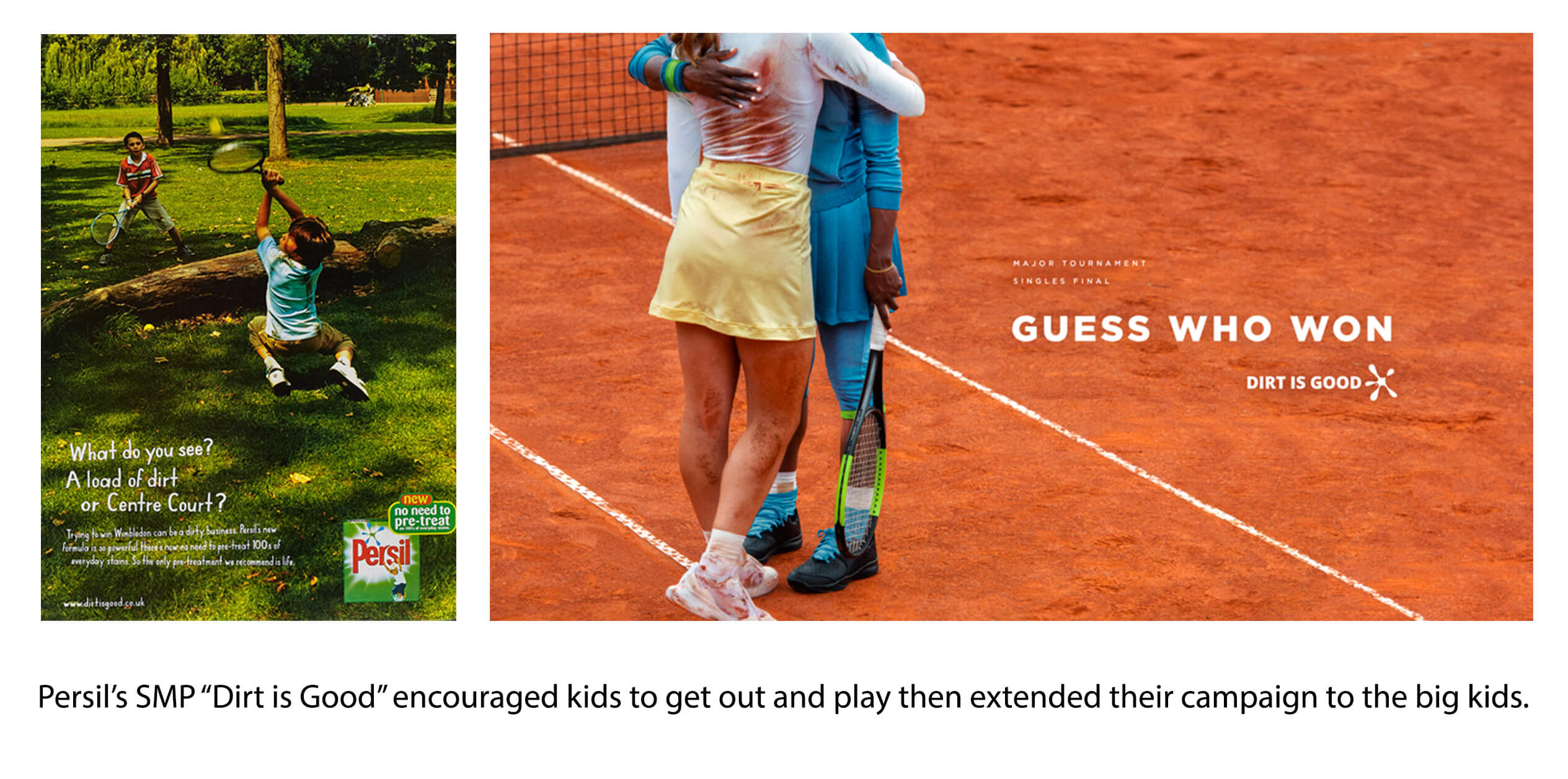
Persil: "Dirt is Good.” In the parity market of detergent, where everyone promises "whiter than white," Persil championed the value of kids playing outside and getting messy. Sure, you want your clothes returned to their original brightness, but Persil gives you permission to not worry about it while live your life to the max.
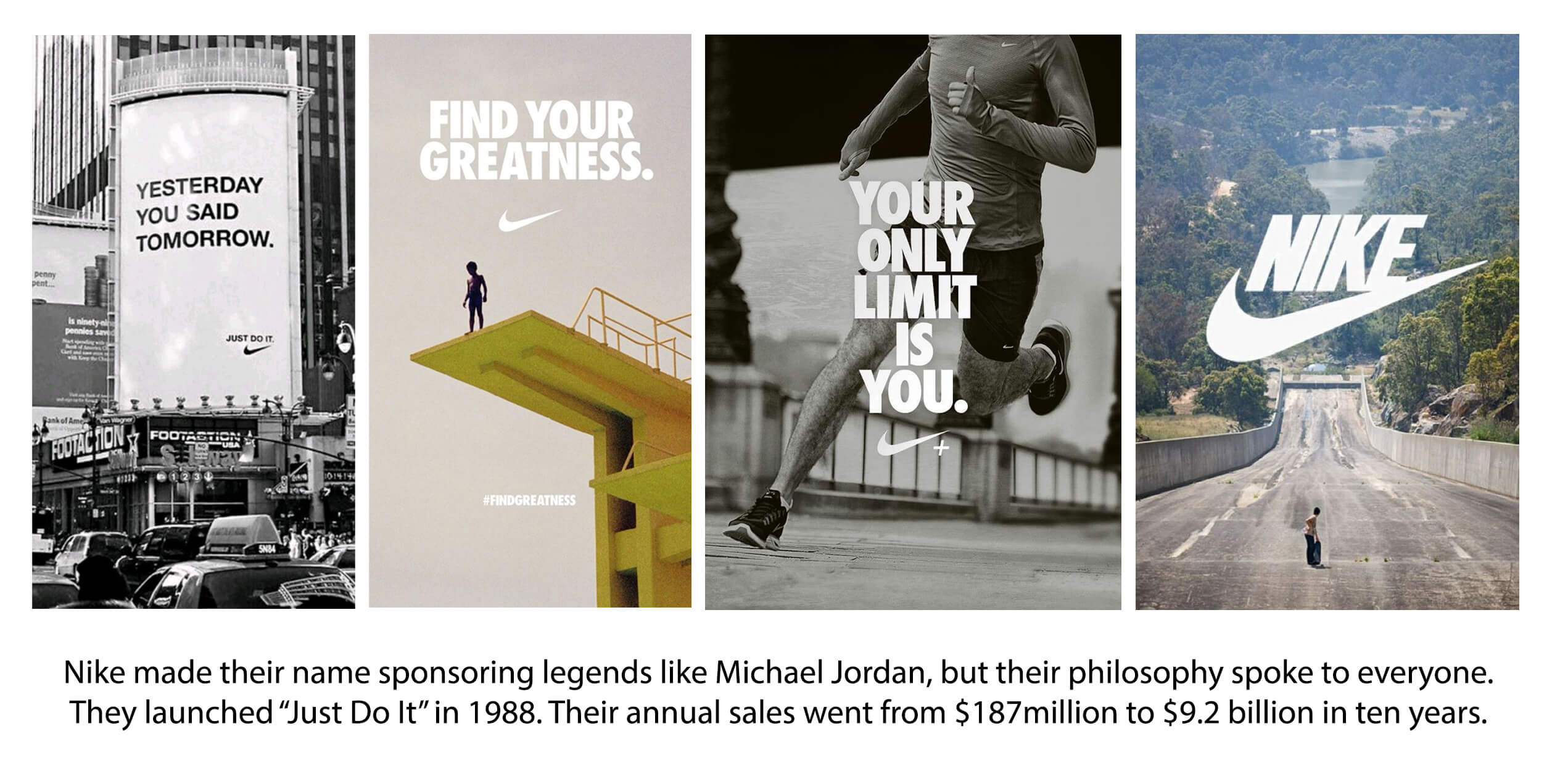
Nike: “Just do it.” In the parity market of sports shoes, Nike did something no sports brand had ever done: it defined its brand philosophy. Their SMP is built on a universal human truth: “The hardest part of any task is starting.” It doesn’t promise you’ll win; it inspires you to overcome the initial hesitation.
World class USPs are more than just slogans; they are the factual, tangible reasons to choose your brand. While an SMP is an internal guiding thought, a USP is the "hard truth" the brand uses to win customers.
FedEx: "When it absolutely, positively has to be there overnight.” Long taglines aren’t recommended unless they’re memorable, like this one which focuses on reliability and speed. As the years passed, and everyone became familiar with their promise, they shortened it to the much pithier alliteration, “Relax, it’s FedEx” — a testament to the years they spent building their brand equity.
RXBAR: "No B.S.” Most protein bars have 30 ingredients you can't pronounce. RXBAR put their entire recipe on the *front* of the pack. Their USP isn't the ingredients; it's the transparency. Their new SMP and packaging exploded annual sales from $2m to $160m.
Honesty and humour are hands-down the two best ingredients in advertising. Which brings us to this final example…
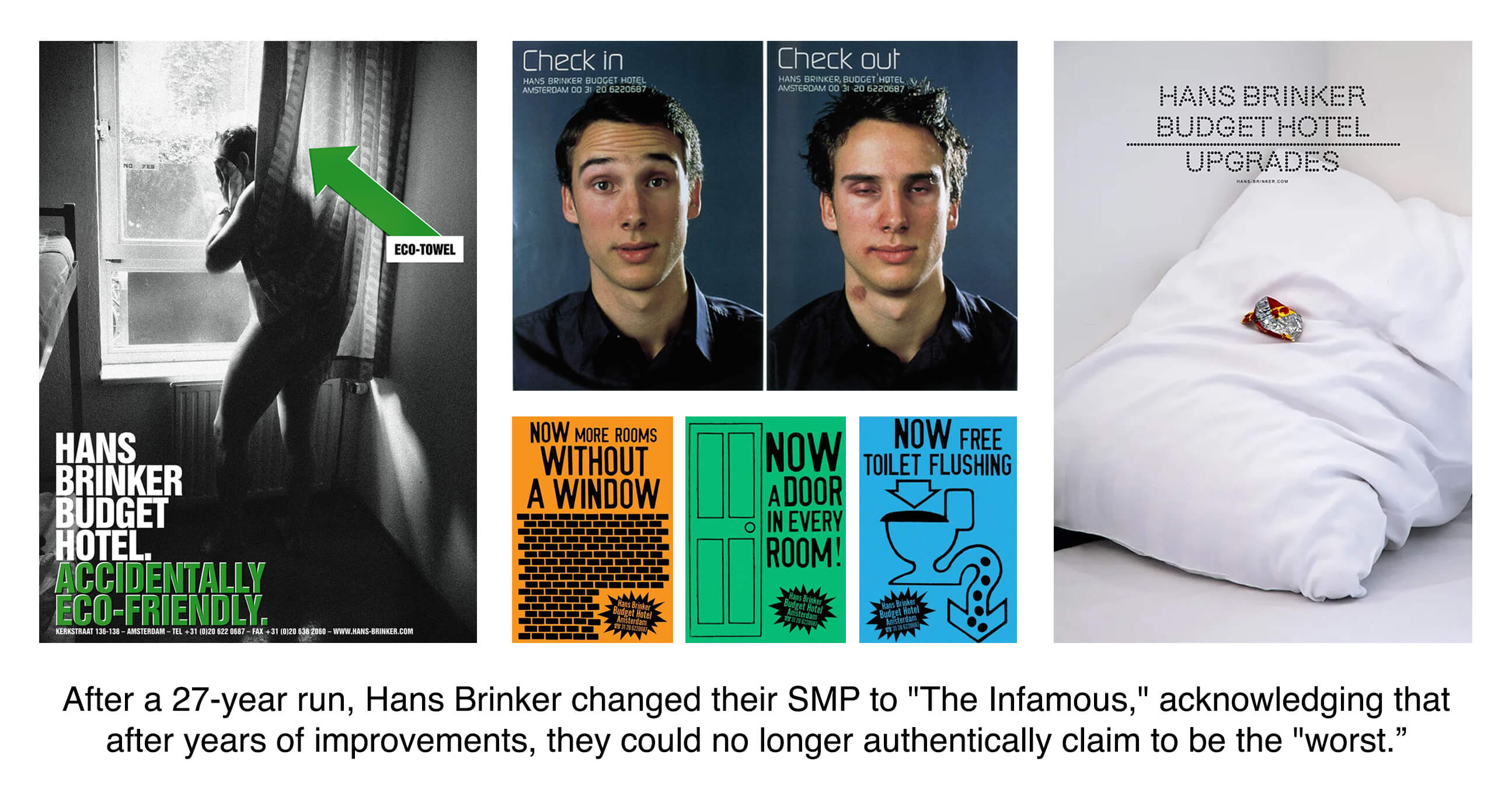
Hans Brinker Budget Hostel: "It can’t get any worse.” This Amsterdam hostel markets itself on its abject lack of amenities — no towels, no service, no frills whatsoever. By claiming to be the "world's worst hotel," they attract backpackers who value honesty and low prices over fake luxury. This hilariously truthful line garnered worldwide talk value among their core audience, which has resulted in near 100% occupancy.
Focus wins attention. Whether it’s on TV, on the socials, or in a magazine, you only have seconds (or milliseconds) to attract and hold their attention.
Memory becomes action. Clear, unique messages are easier to remember, recommend, and search for — which fuels discovery and conversion.
The freedom of a tight brief. Paradoxically, constraints like a single core idea and/or a distinct benefit, free creatives to make bolder, more coherent work across the channels.
An SMP tells people what to remember. A USP tells them why to buy. Treat both as non‑negotiable guardrails and they will turn persuasive copy and dazzling creativity into measurable business results.
Give Mash a call and let us help you find your ultimate SMP.


.avif)