
Clarify. Create. Dominate.



The political landscape in Canada is shifting, and it’s no longer just politicians driving the conversation. Digital platforms have created space for new voices; think Jordan Peterson and other influencers who are reshaping debates on policy, leadership, and national identity.
.jpeg)
In Episode 3 of Friggen Good Politics, we explore how these figures are changing the game, along with the latest on oil & gas policies, Mark Carney’s political positioning, and the week’s standout moments.
🎧 Listen now:
👉 Spotify
👉 Apple Podcasts
👉 YouTube
Jordan Peterson, a psychologist and cultural commentator, has become one of Canada’s most influential political voices. With millions of followers across YouTube, Twitter, and his podcast, Peterson has positioned himself as a leading critic of political correctness, identity politics, and government overreach.
What makes figures like Peterson so impactful?
Other examples include:
The rise of political influencers is not limited to Canada. South of the border, figures like Elon Musk and Joe Rogan wield enormous sway. Musk, with his massive Twitter following, influences policy discussions on topics ranging from free speech to government regulation. Rogan’s podcast has become a political platform in itself, bringing together diverse voices and fostering heated debates.
Even Taylor Swift, known for her pop stardom, has found herself at the center of political conversation, using her platform to encourage young voter turnout and engage on issues like women’s rights and LGBTQ+ advocacy.
It’s clear: political influencers are reshaping the way people engage with politics. Whether it's Candace Owens and Ben Shapiro in the U.S., or Peterson in Canada, these figures are pushing conversations that were once limited to the halls of government and traditional media.
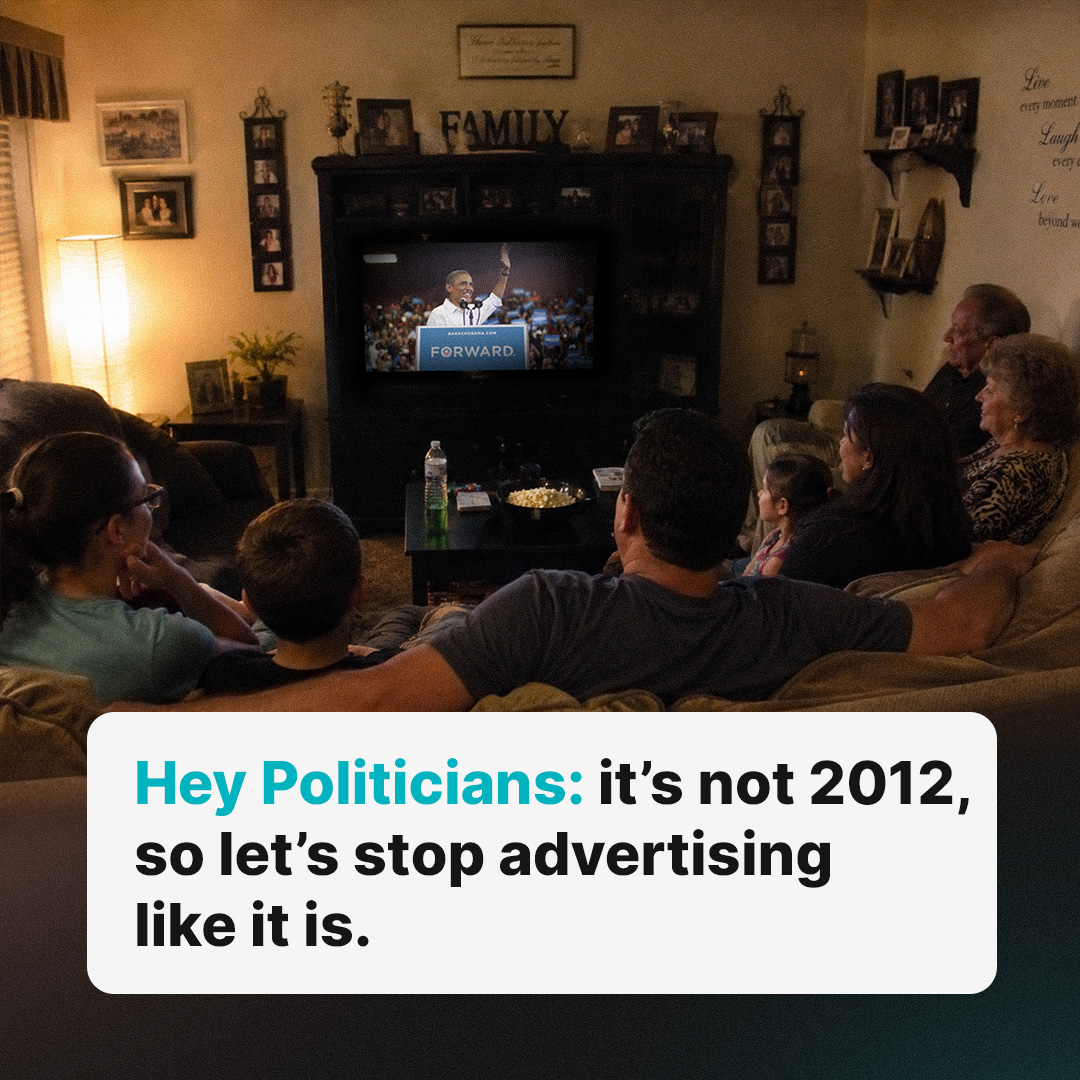
For Canadian politics, the influence of these digital-first voices marks a significant shift in how Canadians engage with policy and leadership. Politicians will need to adapt, reevaluating how they connect with voters in an age where an influencer’s tweet can have just as much impact as a politician’s speech.
Other examples include:
Final Thoughts
The rise of political influencers signals a major shift in how Canadians engage with politics. As traditional politicians compete with direct, digital-first voices, they’ll need to rethink how they communicate, connect, and lead.
Catch the full discussion in Friggen Good Politics Episode 3!



.avif)