
Clarify. Create. Dominate.


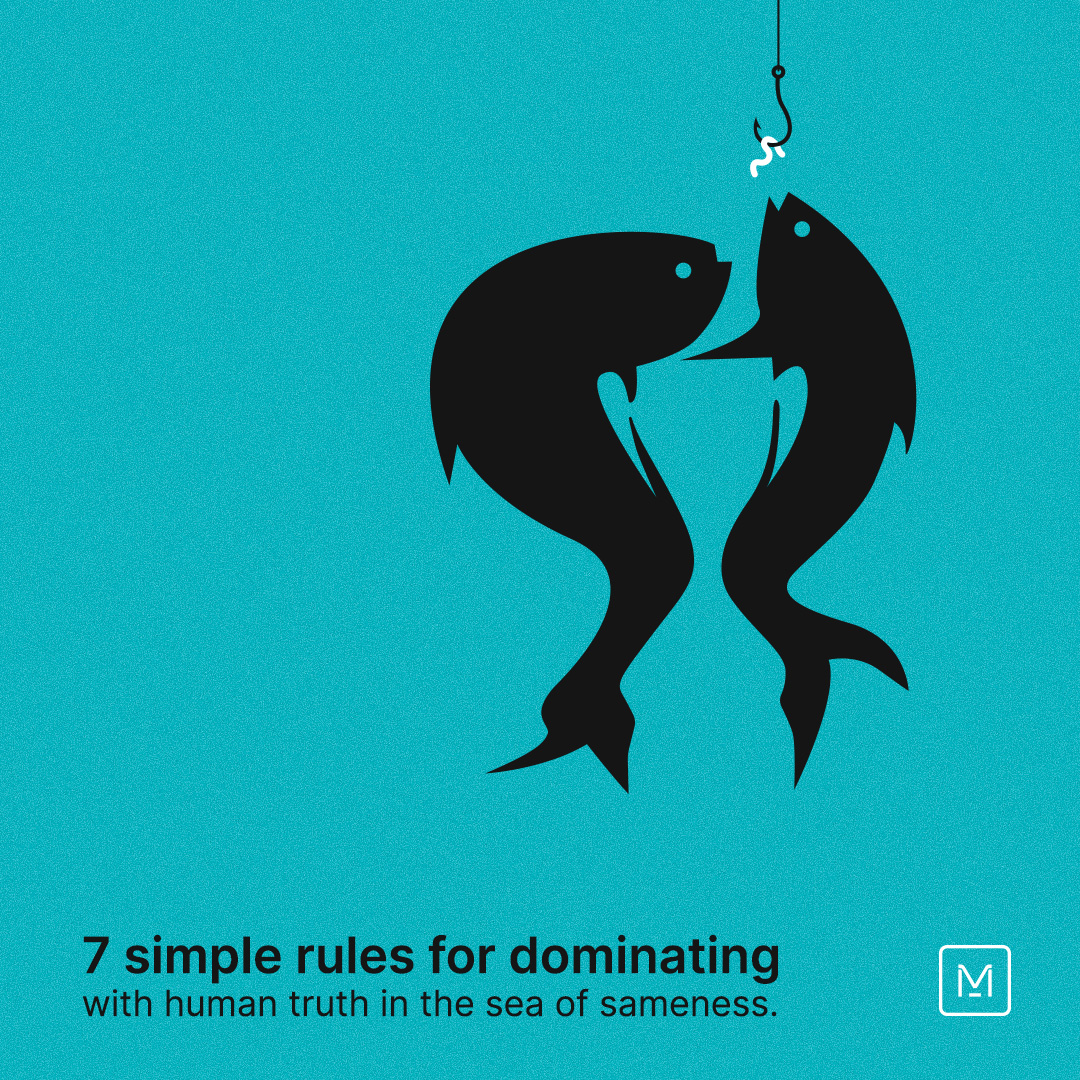
In a world where AI is increasingly democratizing access to data, information, and problem-solving, it’s becoming even more important for brands to connect with their audiences more authentically and humanely.
Before any words go onto canvas, it’s key not just to know what the task is but also the ‘why’ that created the need in the first place. This helps in setting up proper understanding for what success looks like.
Consumer insight is good, but ‘Human truth’ is the real deal. But what does that mean? In short, it’s a deeper understanding and acknowledgment of the ‘why’ behind people’s actions. Human truth is often emotional and rooted in personal experiences or perspectives. It usually stems from a feeling, and sometimes that feeling is still pretty raw.
Stay with me as we run through some nuggets to help leverage human truths.
Data often paints something of a picture, but asking deeper questions uncovers the “aha” behind the numbers in the first place. In the words of Alex Hormozi, “Closers [people who bring a sale to conclusion] ask hard questions-because they genuinely care”. Adopting a toddler’s curiosity while asking tough brand questions from a place of love could unearth the much-needed gems that become part of the story.
If you already knew the “why,” you wouldn’t feel the need to go look for it. Sometimes the truth you uncover can feel uncomfortable, raw, or unprocessed. That’s usually where the real opportunity is.
This might sound like a paradox, but it’s important to keep a positive mindset, and pick up cues, vibes, and body language from what is not being said. These moments can often lead to deeper emotional and psychological insights. This becomes especially useful during focus group discussions.
A well-harnessed human truth can shatter pre-conceived barriers. That can clearly be seen in the multi-award-winning You’re Not You When You’re Hungry campaign by Snickers.
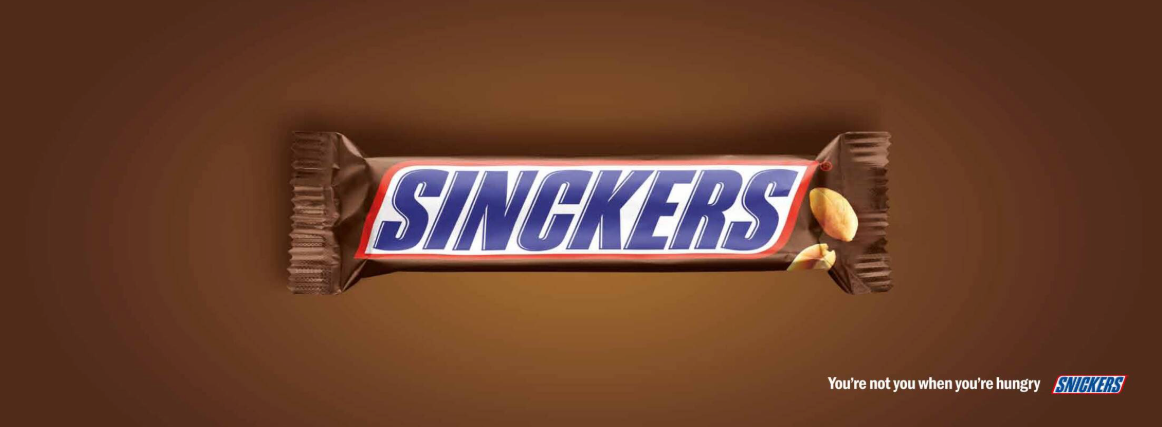
'Until 2010, half of the people who bought a Snickers bar in one year would not buy one the next.' So, Snickers was losing market share. The data showed that, over time, their ads had become too targeted, focusing almost exclusively on a young male audience and becoming too niche in their appeal.
The reason behind the drop in repeat purchases was not because consumers disliked the brand or had suddenly developed a peanut allergy. It was because they were not thinking about Snickers or noticing it when they walked into stores.
When you’re hungry, you’re just not yourself. And when you’re not yourself, it affects your ability to remain socially connected and fully engaged with others.
The crystallization of that human truth into the line “You’re not you when you’re hungry” made it easier to build an entire communication platform around it. It also paved the way for the brand solution: Snickers, the substantial nut-filled bar long associated with satisfying hunger, became positioned as the perfect antidote.
Putting your customer in control and allowing them to feel the satisfaction of solving their own problems makes them more comfortable seeing you as an ally, or as we often call it, the guide. Don’t steal the spotlight from them. Your role is to help them succeed, not to succeed on their behalf.
Lean into the truth and allow your audience to emotionally plug into what you are saying without forcing it. Think of your customers as Bluetooth devices waiting to pair with something meaningful. Your job is to tune into their frequency. The connection does the rest.
People buy into what they believe in. Stay true to your brand persona across platforms and touchpoints. Don’t be a cat trying to bark like a dog.
Ensure there is a natural convergence between your audience’s desires and what you are offering so there is little to no friction. When your messaging is clear and authentic, achieving your goals becomes far more attainable.
At the end of the day, pushing forward with a campaign rooted in human truth often comes with a healthy level of paranoia, and honestly, that’s okay. If you’re travelling down a new road without fully knowing what to expect, feeling a few shivers along the way is perfectly normal.
And if you ever want a companion for that journey, feel free to reach out to the Mash team. Helping brands uncover meaningful stories while building authentic connections is what we do best.
Until next time, stay jiggy.



.avif)