
Clarify. Create. Dominate.


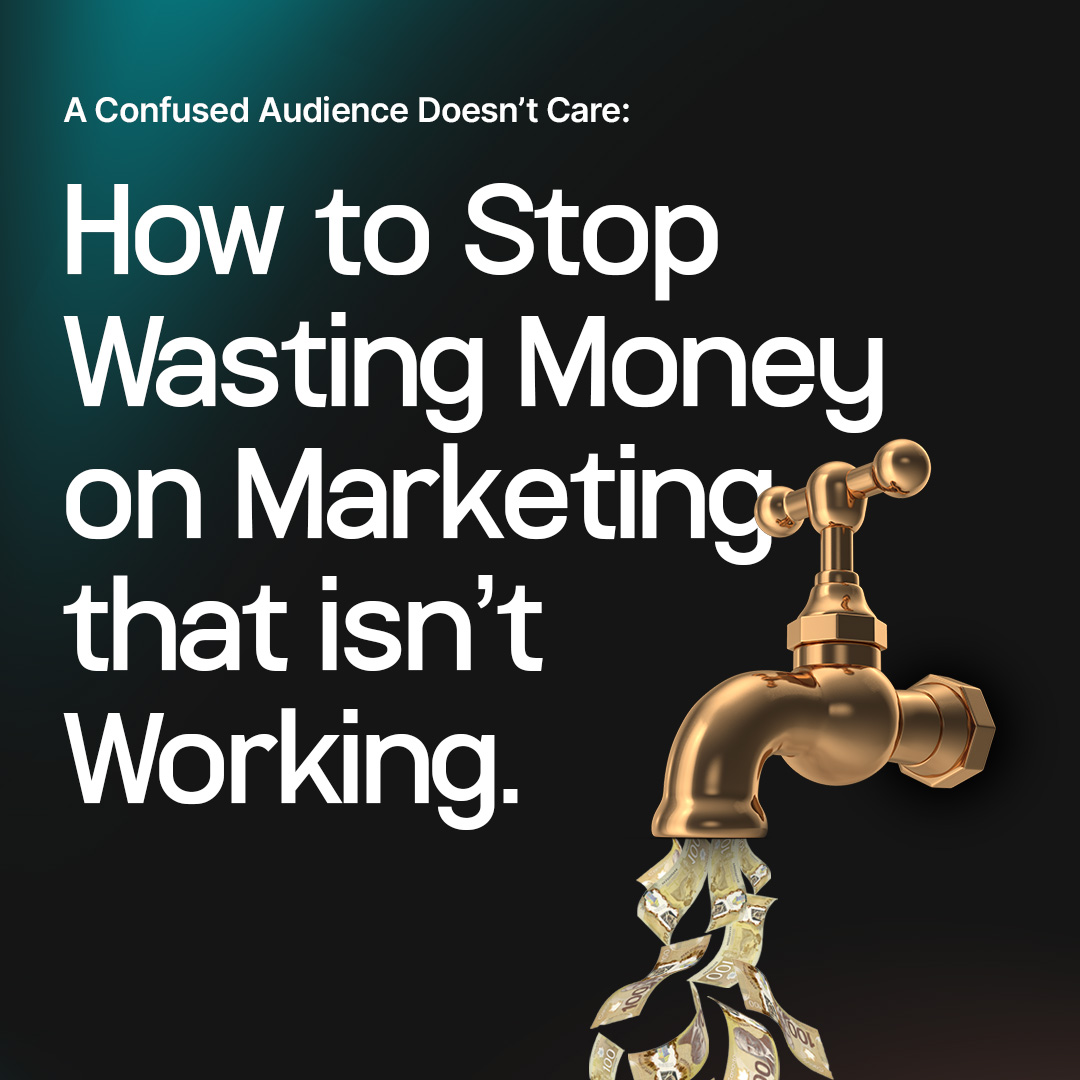
Have you ever spent a fortune on a beautiful new website, eye-catching digital ads, or fresh brand collateral, only to hear crickets?
You’re not alone.
Too many businesses and organizations waste enormous amounts of money on marketing simply because their message is too complicated.
You have about three to five seconds to convince your audience that you’re worth sticking around for. If they can’t immediately answer these three questions:
They will hit the back button and move on.
Why? Because in today’s attention economy, people know that if one thing doesn’t capture their attention, something else will. The human brain is constantly trying to conserve mental energy, so why would it waste any effort doing the heavy lifting to figure out your offer?
It will simply look elsewhere.
The secret weapon is story: the primary way humans have made sense of the world for millennia.
This quarter, the Mash team has been reading Donald Miller’s Building a Story Brand. Here are five storytelling principles that stick out to us:
The single biggest mistake brands make in their marketing is positioning themselves as the hero of the story. Your customers, clients, members, donors, or advocates don't actually care about your organization’s backstory or how your grandfather started the business. They care about their own story and how you fit into it.
Every great story begins with a character who wants something but encounters a problem.
Your business or organization exists to solve a problem. The clearer and more boldly you talk about that problem, the more your audience will lean in.
But here’s the key: go beyond the surface problem and address the internal one.
When you speak to the internal frustration, fear, or aspiration behind the external problem, you create emotional resonance. And emotion drives action.
Once you've identified the hero and their problem, you must introduce yourself as the guide. To be the guide that your audience trusts, you need to demonstrate two things:
Empathy makes people feel understood. Authority makes them feel safe.
A story only matters if there are stakes. You must clearly show your audience what life looks like after they take action.
Don’t just describe features, paint the outcome. Sell the well-rested morning, the thriving business, the strengthened community, the changed life.
Then, gently remind them what happens if nothing changes. What opportunity is missed? What frustration continues? What change never happens?
If you establish yourself as a guide but fail to give the hero a clear path forward, they will remain confused, and confusion leads to inaction.
Passive buttons like "Learn More" or "Discover" are weak. Tell them exactly what to do with a bold, direct Call to Action (CTA) like "Buy Now," "Order Today," or "Schedule an Appointment".
Your messaging shouldn't feel like a puzzle for your audience to solve.
By shifting your focus away from yourself, empathizing with your customer's problems, and guiding them toward a clear resolution, you create messaging that is impossible to ignore.
If you’re wondering whether your website, videos, or marketing materials are unintentionally confusing the very people you’re trying to reach, we can help.
We offer free Brand Audits that review your messaging, show you exactly where clarity is breaking down, and tell you how to fix it.

.avif)